Tatajuba
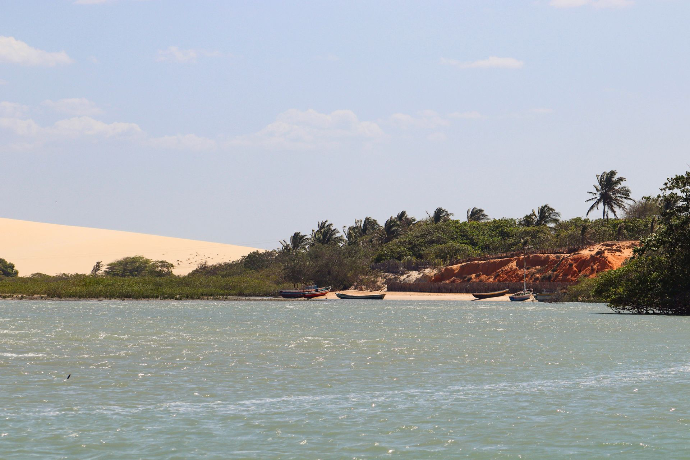
Located about 30 km west of Jericoacoara, Tatajuba is a remote and unspoiled gem for kitesurfers seeking wide-open spaces, flat water, and a true connection with nature. Nestled between dunes, lagoons, and the sea, this small village offers one of the most authentic kiteboarding experiences in Ceará.


18 to 30 knots

flat water paradise

26ºC to 30ºC

good for all levels

chilled beach bars besides the dunes
Closest Kitesurf Spots
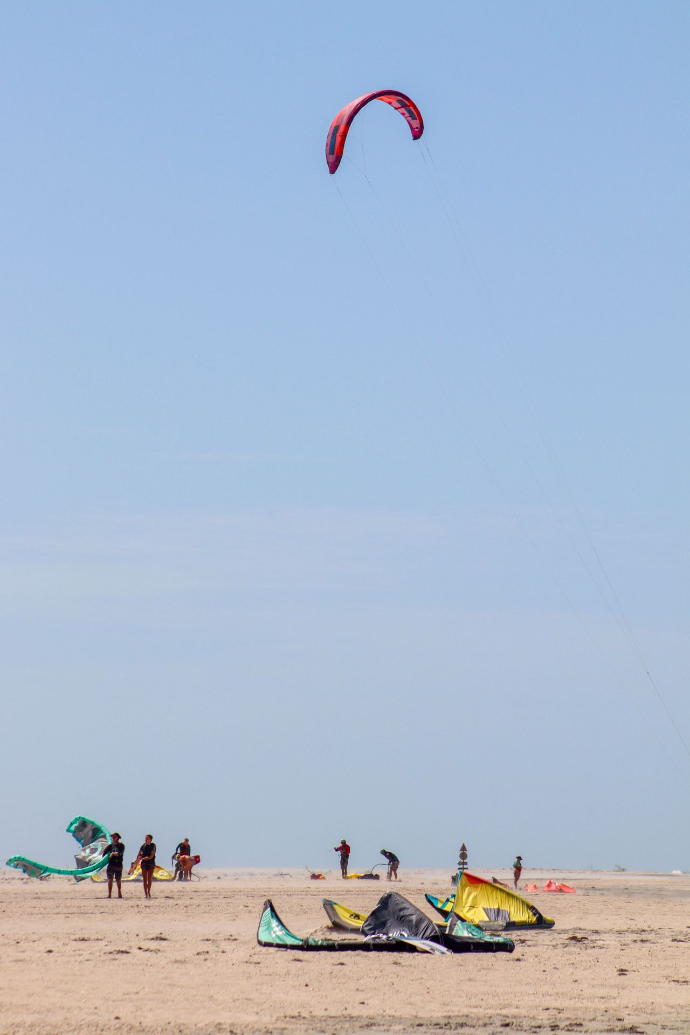
The main kite spot in Tatajuba is the beach, right at the Tucunduba River estuary, very close to where most of the accommodations are located. At high tide, the beach becomes an amazing open area with flat water and small waves to get the kickers, being a kitesurf paradise and one of the best spots in the country.
There is also the option of visiting Lagoa Torta, a lagoon situated 4 km from the village, surrounded by dunes, accessible by buggy or 4x4. Due to the dunes protecting the area from the wind, Lagoa Torta is better on strong wind days, and it can get gusty.
It is also possible to visit Guriú on a day-trip, also by buggy or 4x4, to kite in the lagoon located between Tatajuba and Jeri.
Kitesurfing Conditions for Beginners
Although strong winds may seem a little daunting to some people, Tatajuba is a fantastic spot for beginners. The shallow and flat waters provide a safe and forgiving environment for learning and progressing. Several kite schools operate in the area, offering lessons for all levels with highly professional instructors.
Infrastructure
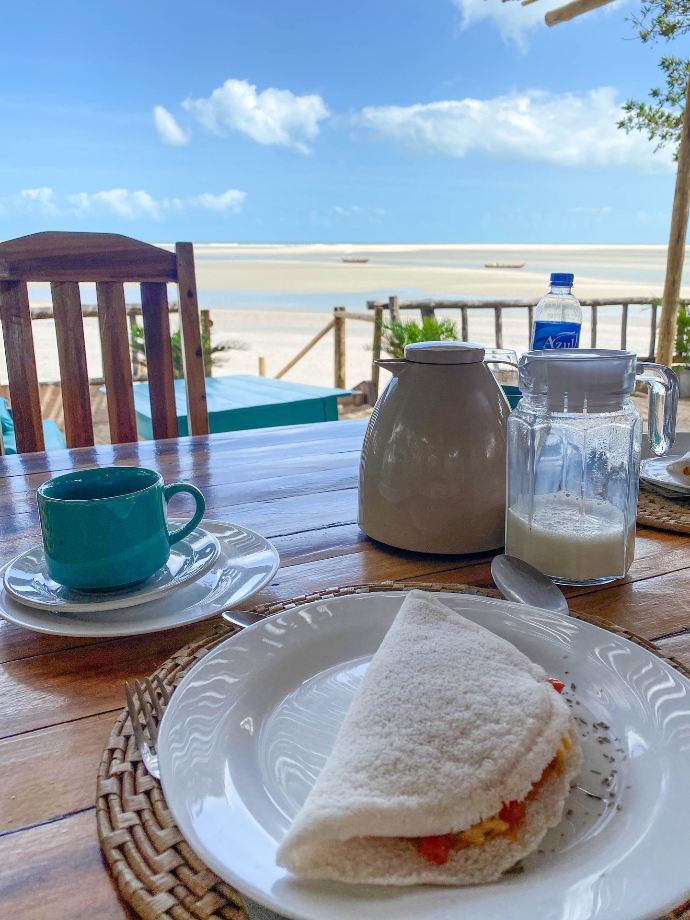
Tatajuba is still a small and rustic village, with pousadas and guesthouses built mostly from local materials like wood and straw. While the infrastructure is simpler compared to Jericoacoara or Cumbuco, you’ll find cozy beachfront accommodations, laid-back restaurants, and kite centers providing gear rental, storage, and lessons. The atmosphere here is all about peace, simplicity, and nature.
Wind Conditions
From July to January, Tatajuba enjoys steady side-onshore trade winds, typically blowing between 18 and 30 knots. The wind is most consistent in the afternoons, making morning sessions ideal for beginners and lighter riders.
Water Conditions
Tatajuba is all about flat water and space. The beach offers butter-flat sections during mid and high tide, perfect for freestyle tricks or relaxed cruising. At low tide, the water recedes a lot at the river estuary, and you might want to head west to get easier access to the water. Anyway, you can still enjoy rideable flat stretches or small waves, depending on the spot.
What Else to Do Besides Kitesurfing
When not on the water, you can explore the moving dunes by buggy, take a boat tour through the mangroves, visit the Lago Grande for a freshwater swim, or simply relax in a hammock at a beachside bar. Sunset from the dunes is a must-see, often painting the sky with incredible orange and pink hues.
How to Get There
Tatajuba is accessible by 4x4 vehicles or buggies, usually as part of a transfer from Jericoacoara, which takes about 1 to 1.5 hours, depending on the tide and driving conditions. For travelers arriving from Fortaleza, the drive takes around 5 to 6 hours, often including an adventurous stretch along sandy roads, ferry crossings, and poor internet connection.
If you have a small car and are unsure whether you can reach Tatajuba, we will be happy to help you and point out the best roads and even organize you a parking spot before the dunes where you can leave your car for a few days and get to the village by buggy transfer without getting stuck in the sand.
Want to know more?